

Sparkling wine 101 kinda snuck up on me last Christmas Eve—here I am, December 24th again, sitting in my cozy but messy apartment in the US, snow flurrying outside the window like it’s auditioning for a Hallmark movie. Anyway, sparkling wine 101 started for me when I grabbed a cheap bottle of Prosecco thinking it’d class up my solo pizza night. Like, seriously? It exploded everywhere the second I twisted the cage wrong. Foam on the ceiling, dude. Total disaster, but that first sip? Magic. Bubbles dancing on my tongue, crisp apple vibes cutting through the pepperoni grease. I’ve been chasing that high ever since.
My Messy Sparkling Wine 101: What Even Is It, Really?
That’s the chill Italian cousin, tank method, lighter and fruitier—perfect for when you’re not trying to impress anyone but yourself. Cava from Spain? Underrated gem, same bottle fermentation as Champagne but way easier on the wallet. I’ve hoarded a few bottles in my fridge right now, staring at me while I write this.
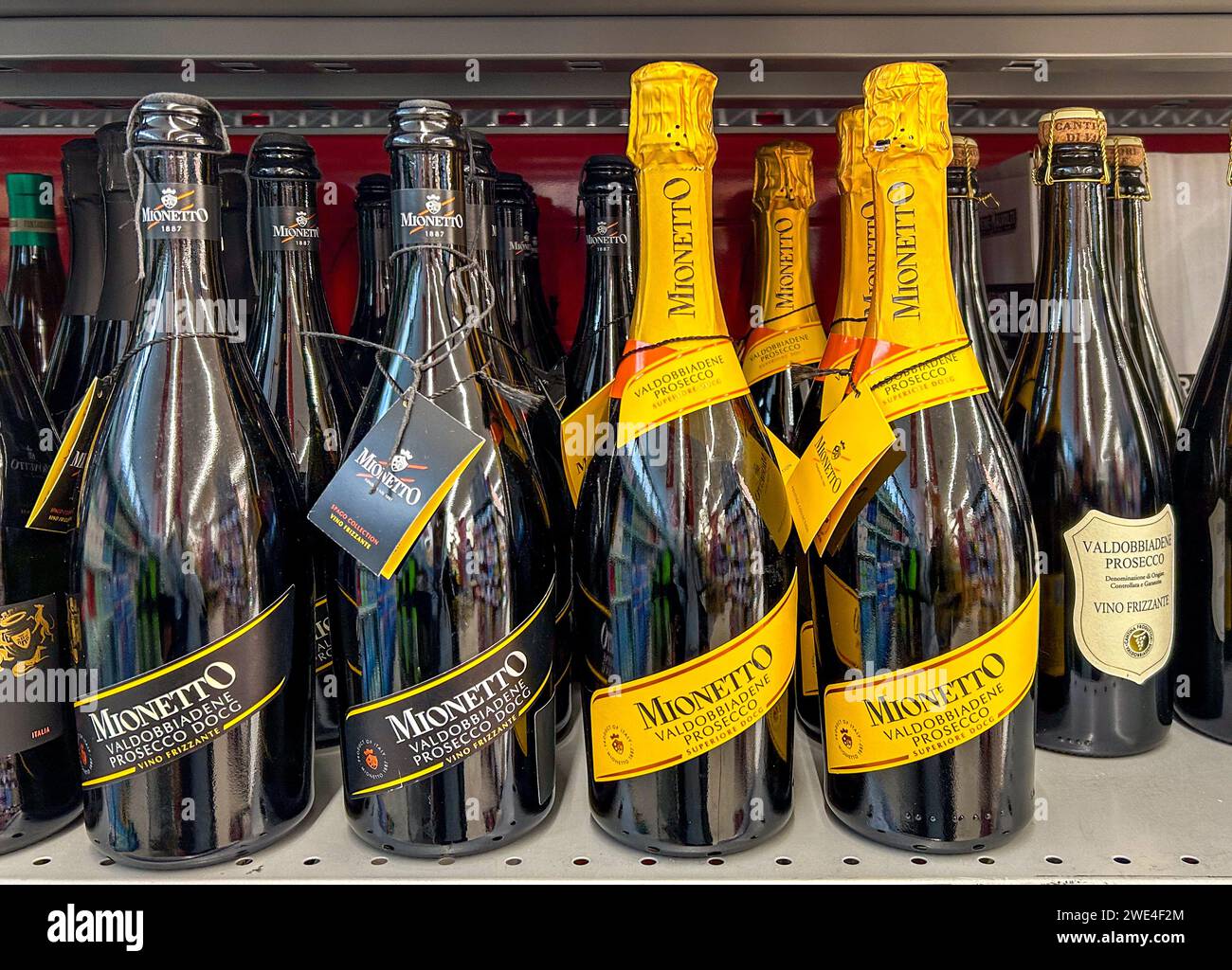
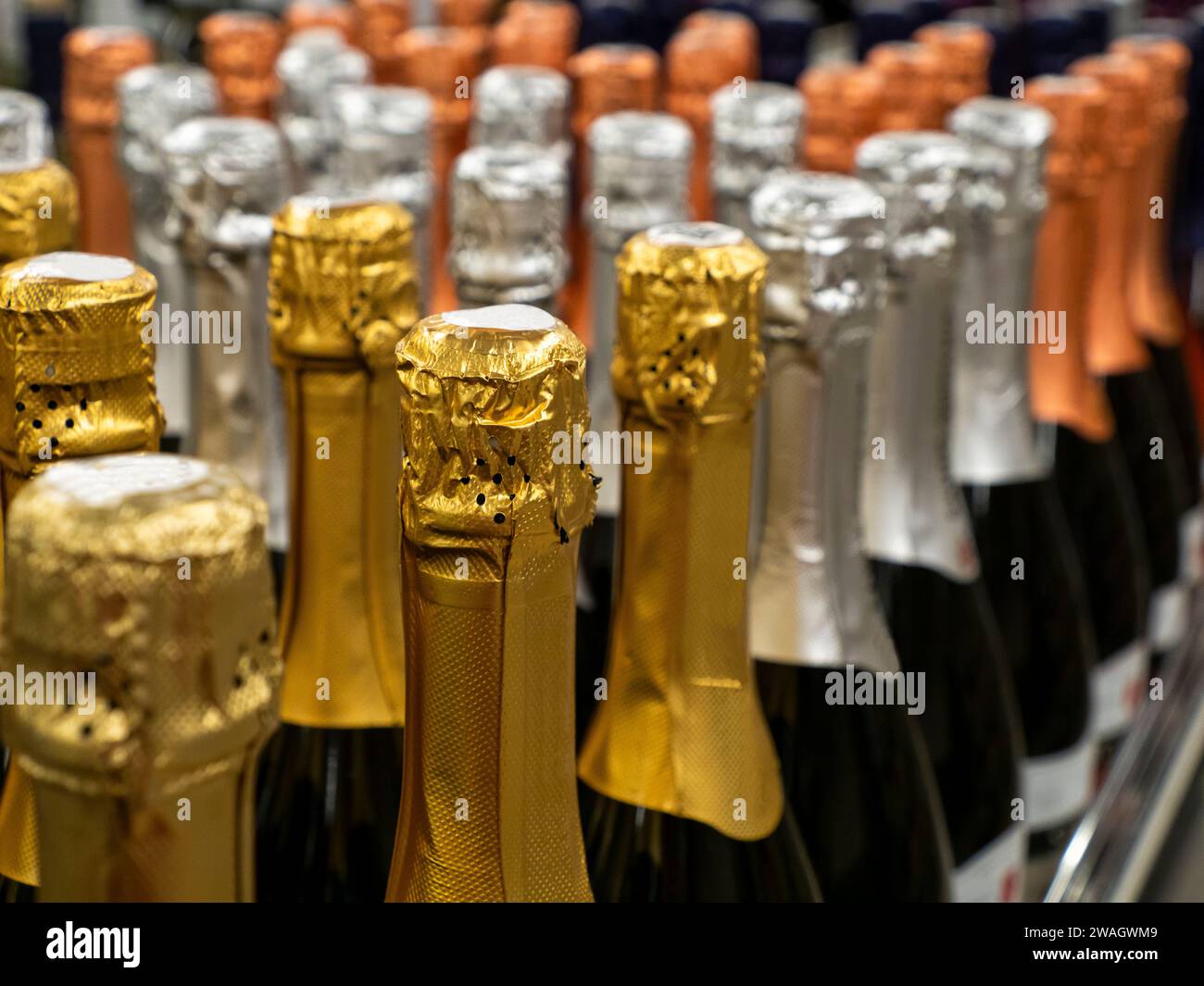
There’s also Crémant from other French spots, American sparklers that are getting legit good these days, and even pét-nat, that funky natural stuff with cloudy bubbles. I love pét-nat for brunch mimosas, but hate how unpredictable the pressure is—lost an eyebrow hair once. No lie.
Sparkling Wine 101 Basics: Those Bubbles Don’t Lie
The magic? Carbon dioxide trapped in the wine. In true sparkling wine 101 fashion, finer bubbles mean better quality—those tiny, persistent streams that tickle your nose without going flat too quick. Coarse ones? Feels like cheap soda, harsh and gone in minutes. I learned this the hard way at a wedding where they served bottom-shelf stuff; my glass was sad and still by toast time.


Sweetness levels trip me up still: Brut Nature is bone-dry (my current obsession for cutting through holiday cookies), Extra Brut, Brut, then sweeter like Sec or Demi-Sec. I used to think “dry” meant sweet—total newbie fail. For more deets on production methods, check this solid breakdown from Wine Folly.
How I (Kinda) Mastered Opening Sparkling Wine 101 Style
Biggest sparkling wine 101 tip? Chill it properly—around 45-50°F, not freezer-frozen like I did once and shattered the bottle. Opening: Point away from your face (learned that post-ceiling incident), remove foil, loosen cage but keep thumb on cork, twist the bottle not the cork slowly. Hear that sigh, not a bang? Perfection.
Feeling brave? Saber it. I tried outdoors last summer—sword from Amazon, dramatic swing, cork flew 20 feet but so did half the wine. Hilarious video evidence exists, but you’ll never see it.
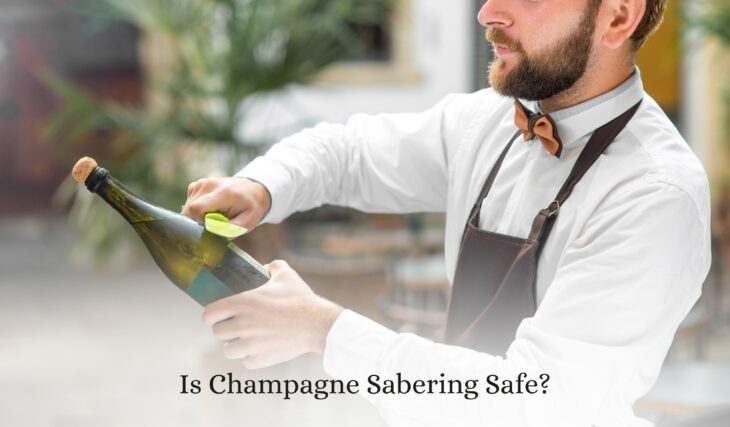
Is Champagne Sabering Safe? | California Champagne Sabers
Pouring: Tilt the glass, pour slow to keep the head. Flutes are classic for showing off bubbles, but I prefer coupes now—wider, more aromatic, less nose-tickling.
Pairing Sparkling Wine 101: My Go-To Hacks and Flops
Sparkling wine goes with everything, seriously. Fried chicken? Yes. Sushi? Heaven. Popcorn during movies? My lazy night staple. Avoid heavy reds with it though—clashes bad. Last Thanksgiving, I paired a rosé bubbly with turkey and cranberry—surprising win. For legit pairing ideas, this guide from Decanter is gold.


Anyway, sparkling wine 101 has turned me into a bubble snob, but the affordable kind. Start with a Gruet from New Mexico—American sparkling that’s stupid good for the price—or a solid Prosecco like La Marca.
Look, my sparkling wine journey’s been full of spills, overpours, and those perfect pops that make everything better. Contradictions and all—I love the fancy stuff but drink grocery store bubbly most days. It’s flawed, like me.
Tonight, with the snow piling up, I’m cracking one open solo. You should too. Grab a bottle of whatever sparkling wine calls to you, pour a glass, and toast to the chaos. What’s your bubbly story? Hit me up in the comments—I wanna hear your messes.